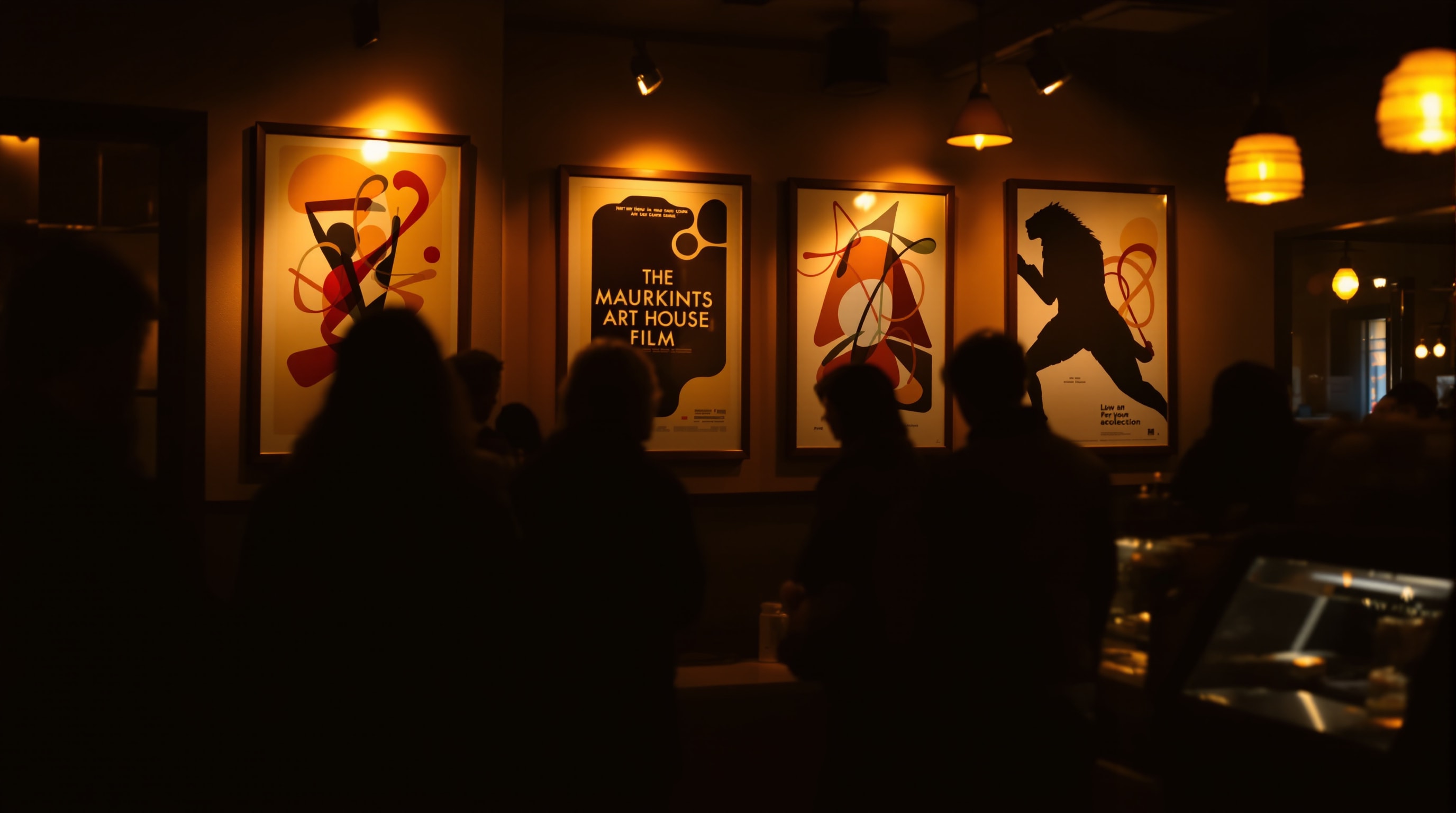
The Clover Art Program
Only weeks after its 2013 revival, the Clover made a bold bet: that a town of ten thousand people would turn out not just for summer blockbusters but for independent, foreign, and art-house films. The Clover Art Program was that bet — an invitation to prove there was a market for serious cinema far from any big-city arthouse.
A Rallying Cry, Not Just a Screening Series
The program launched in August 2013 with an unabashed rallying cry to the community: come see these movies, bring your friends, and let's show the film industry that independent cinema has an audience even in rural Sonoma County. It was framed less as a niche add-on than as a civic project — a way for a small town to claim a seat at the table of American film culture.
That framing mattered. Art-house films rarely open wide; distributors send them first to a handful of theaters in major cities and let word of mouth do the rest. A single-screen house in a small town that commits to booking them is making a real financial gamble, and asking its neighbors to show up is the only way to make the numbers work.
Why Art Houses Matter
Art-house cinemas are the connective tissue of independent film. They give small and foreign films a theatrical life, incubate new directors, and preserve the big-screen experience for movies that would otherwise vanish into a streaming queue. Institutions like the Sundance Institute exist precisely to nurture independent voices, and it is community theaters — not multiplexes — that carry those voices to audiences once the festivals end.
For a rural community, an art-house program is also a cultural equalizer. It means a farmworker's kid and a retiree on First Street can see the same acclaimed documentary or subtitled drama that plays in San Francisco, in the same week, on a proper screen. That access is not a luxury; it is part of what a healthy cultural commons looks like.
The Bigger Picture of Film Preservation
The art-house impulse and the film-preservation impulse are two sides of the same coin: both insist that movies are worth taking seriously as art. The Film Foundation, founded by leading American directors, has restored hundreds of films that might otherwise have been lost — and the whole point of restoring them is so that audiences can one day see them again, ideally on a screen in a room full of strangers. The Clover's program was a small, local expression of that same conviction.
The Clover also devoted screen time to classic films and filmed performances of opera and ballet, widening the definition of what a small-town theater could be. In doing so it made the case, week after week, that a small cinema can be a serious cultural institution.